






August 25, 2026
Agency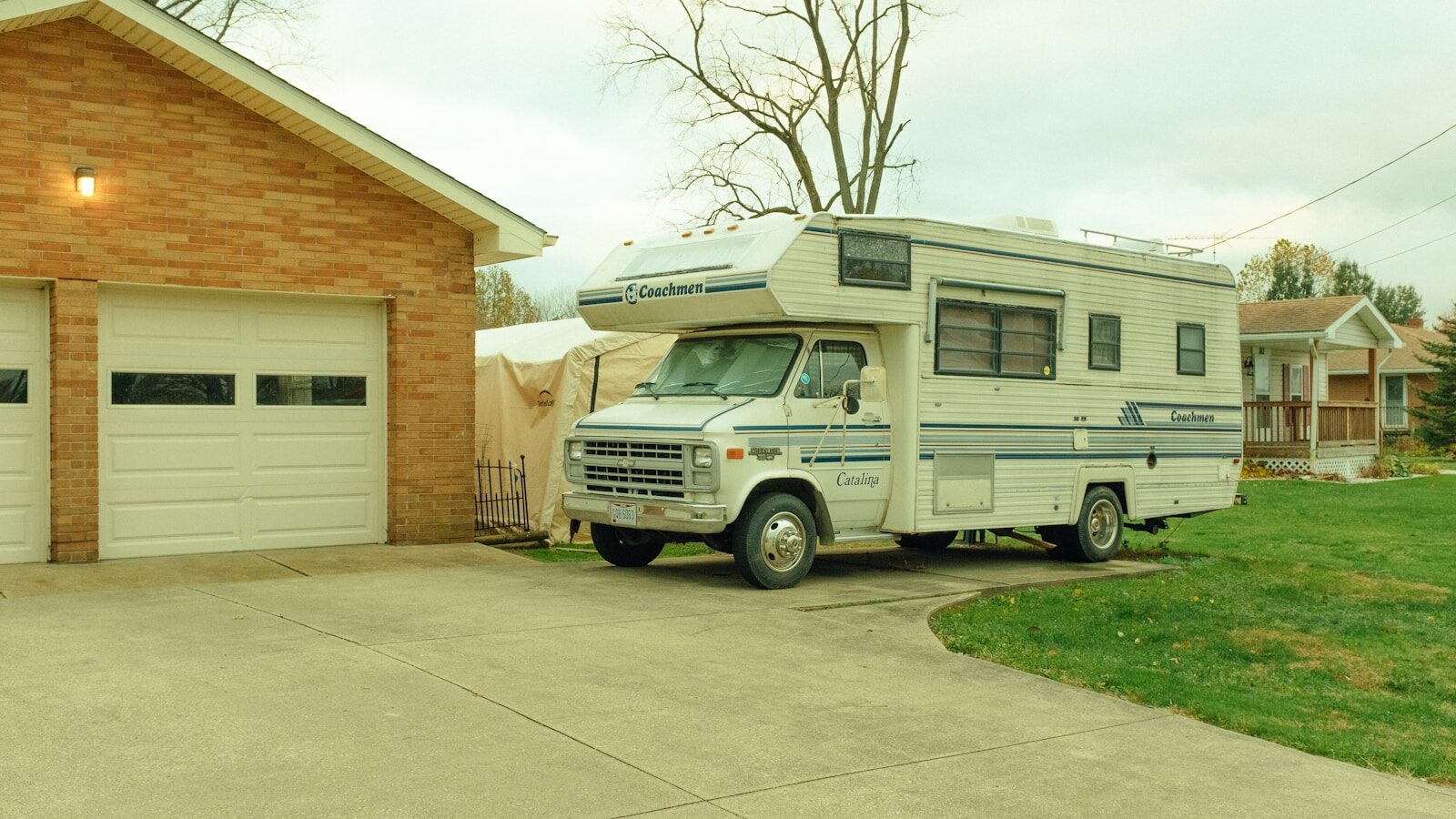
How to Insure Recreational Vehicles When You Rent Your Home
Renting your home means your landlord’s insurance covers the building, but your belongings and liability are your responsibility. That gap often extends to recreational vehicles, which many renters overlook until a claim is denied. If you own a motorcycle, RV, boat, ATV or similar vehicle, understanding how recreational vehicle insurance works is important.
Why Renters Insurance Alone Is Not Enough
Renters insurance covers personal property inside your home and offers liability coverage, but it does not cover recreational vehicles in use or in transit. A motorcycle parked in your driveway or a boat stored off-site may need its own policy to be covered.
Coverage Options for Common Recreational Vehicles
Each vehicle type typically requires a separate policy or endorsement:
- Motorcycles—A dedicated motorcycle policy may cover collision, comprehensive and liability. Your auto policy does not extend to motorcycles.
- RVs and campers—RV insurance may include collision, comprehensive, liability and coverage for personal belongings kept inside the unit.
- Boats and watercraft—A boat policy may cover physical damage, liability on the water and off the water, and may include coverage for equipment such as trailers and motors.
- ATVs and off-road vehicles—These typically require a specialty policy, especially for off-road or trail use where standard auto coverage does not apply.
Storage and Seasonal Gaps to Watch
Many owners store recreational vehicles for months at a time. Talk with our team about whether reducing coverage during storage makes sense, and confirm that comprehensive coverage, which may help cover theft and weather damage, stays active year-round.
Getting the Right Coverage as a Renter
Contact Hermanos Seguros Agency to review your recreational vehicle coverage and confirm nothing is left without coverage. We proudly serve renters and vehicle owners in Longview, TX.
This blog is intended for informational and educational use only. It is not exhaustive and should not be construed as legal advice. Please contact your insurance professional for further information.
Categories: Blog, Recreational Vehicle Insurance